VMS Deployment Options — Cloud, On-Premise & Hybrid
Okiff Reflex delivers the same AI intelligence, unified dashboard, and enterprise security regardless of how you deploy it. Choose the architecture that fits your infrastructure, regulatory requirements, and scale ambitions.
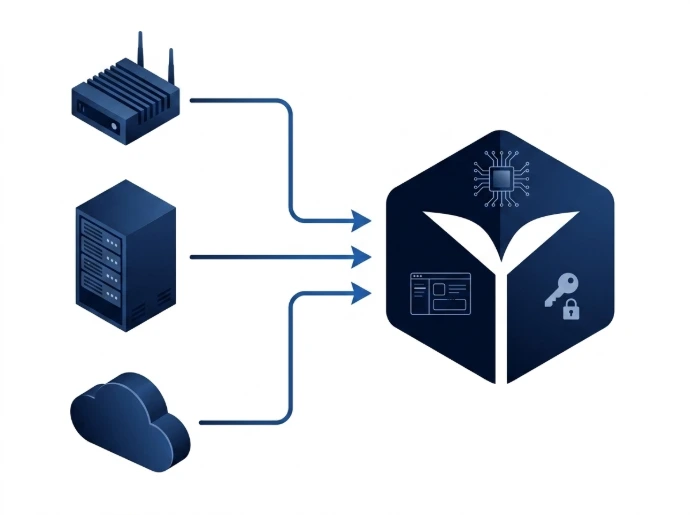
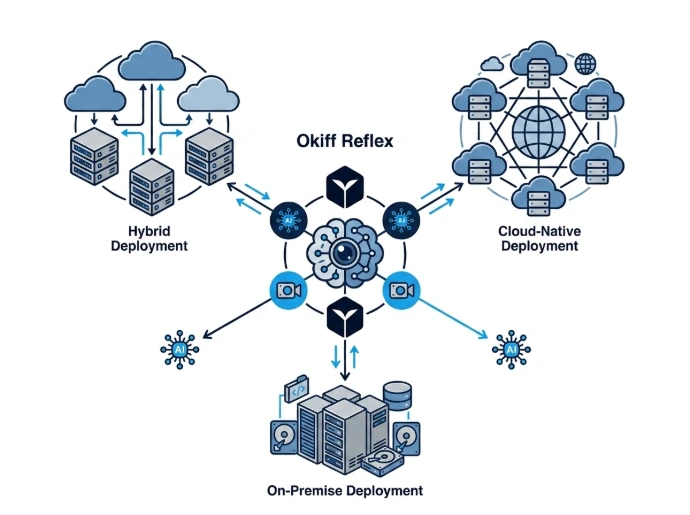
Why deployment architecture is a strategic decision.
A video management system's deployment architecture determines where footage is processed, who controls the data, and how the system performs under network disruption.
For enterprise operators, integrators, and government agencies, the choice between cloud-native, on-premise, and hybrid deployment is not just technical — it's a compliance decision, a sovereignty decision, and a resilience decision.
Okiff Reflex is the only enterprise VMS platform that delivers identical AI capabilities across all three deployment models, with zero lock-in between them. Your architecture can evolve without re-platforming.
Compare deployment models
Capability | ☁️ Cloud-Native (VSaaS) | 모 On-Premise / Edge VMS | ☁️+모 Hybrid Architecture |
Sovereignty level | Managed cloud | Maximum (data never leaves site) | Configurable per site |
Latency | Standard (WAN-dependent) | Sub-10ms (local inference) | Sub-10ms at edge nodes |
Offline operation | Limited | Full autonomy | Edge nodes autonomous |
Hardware required on-site | Minimal (Router Agent) | Edge/local server | Mixed |
Scalability | Elastic, unlimited | Hundreds of thousands of cameras | Unlimited with edge nodes |
Ideal for | Multi-site retail, MSPs | Government, defence, critical infra | Enterprise mixed environments |
OTA updates | Automatic | Managed remotely | Automatic per-node |
GDPR / data residency | ✓ | ✓ (strongest) | ✓ |
Deployment speed | Fastest | Days (J+4) | Variable |
What never changes, regardless of how you deploy
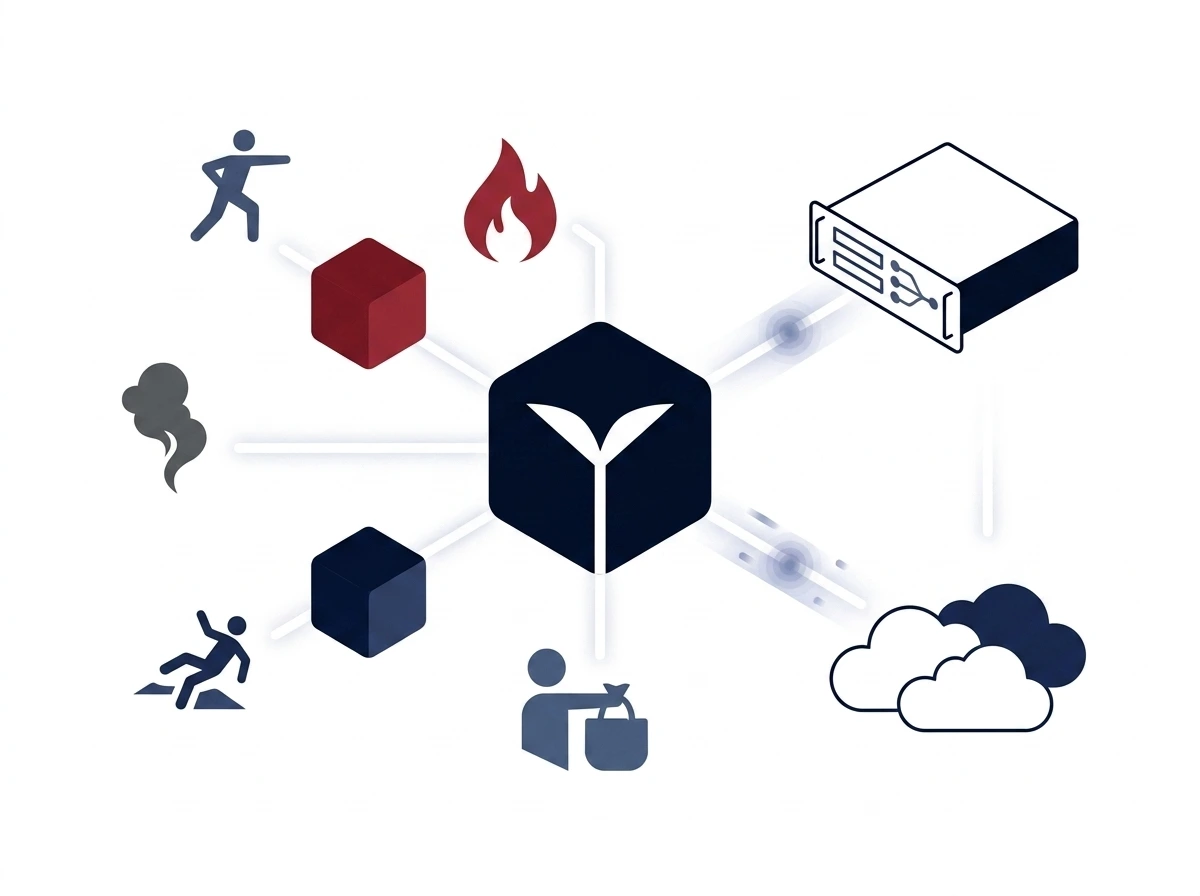
Intelligence
Real-Time AI Engine All AI models — violence detection, fire & smoke, falls, theft, etc — are available across all deployment modes. Whether powered by sub-10ms local edge inference or our highly optimized cloud engine, the intelligence remains consistent and powerful.
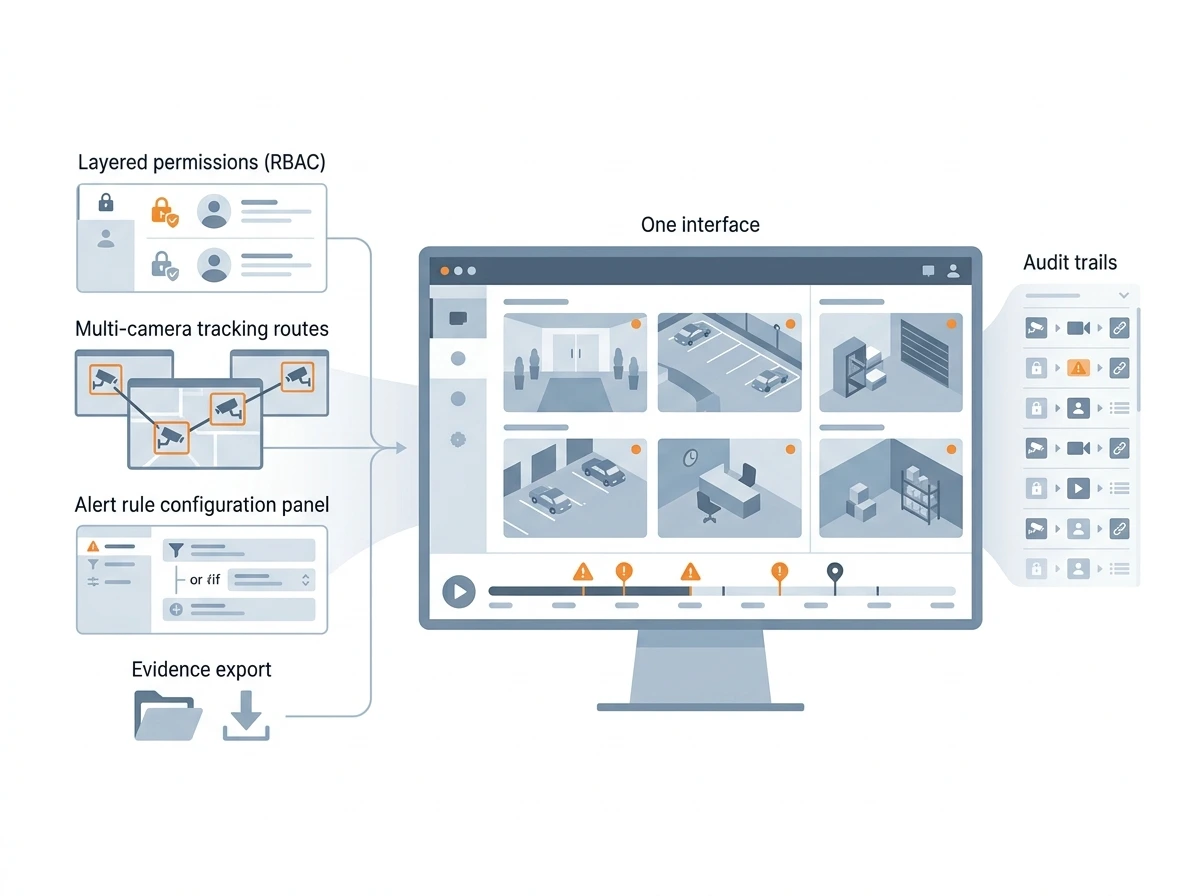
Control
Unified Dashboard One interface for all cameras, all sites, all events. SOC-oriented design with RBAC, multi-camera tracking, alert rules, evidence export, and audit trails — regardless of deployment model.
Security
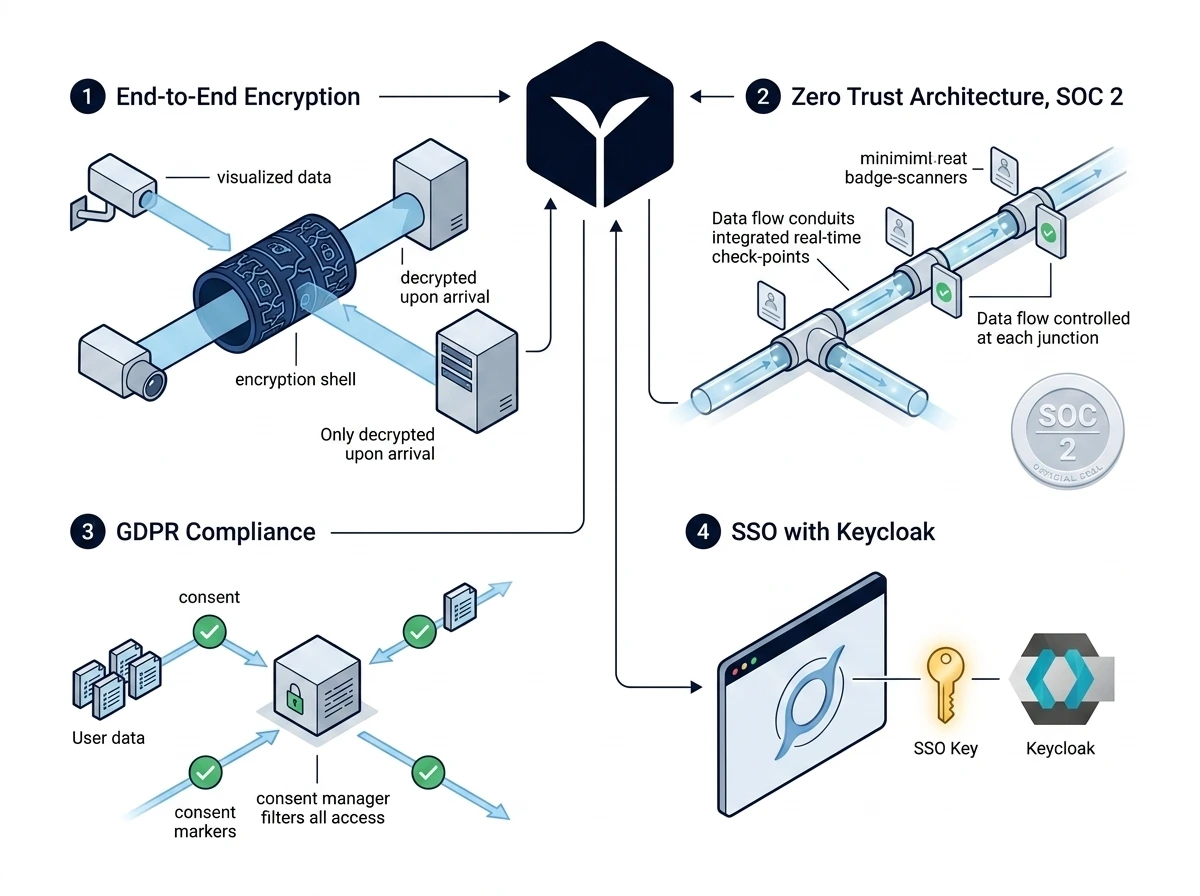
Enterprise Cybersecurity End-to-end encryption, Zero Trust architecture (SOC 2), GDPR compliance, and SSO (Keycloak) are built into the platform — not bolted on as an add-on.
Explore each deployment model in detail
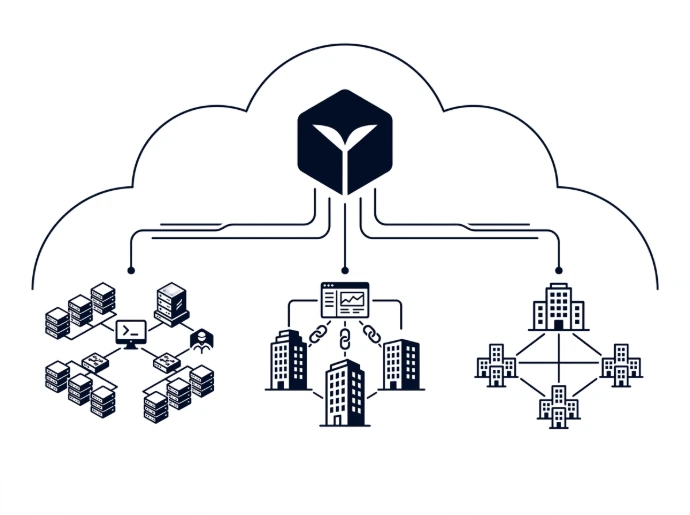
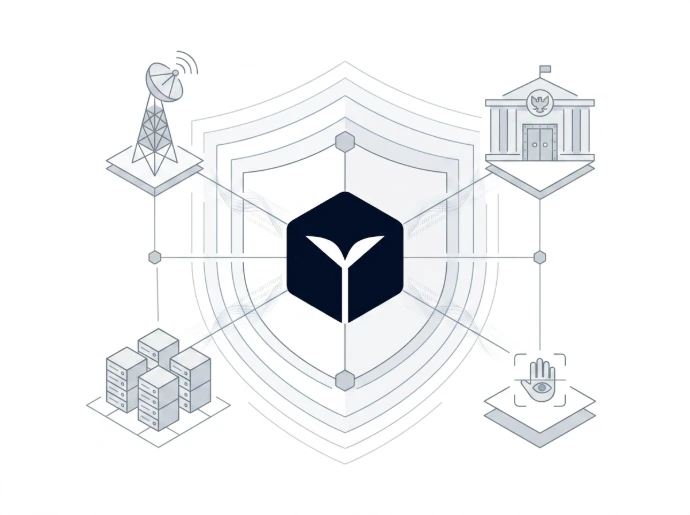
On-Premise VMS 모
For government, defense, and environments where data sovereignty is non-negotiable.
Explore On-PremiseRecommended for critical infrastructure

Hybrid Architectures ☁️+모
For enterprises with mixed environments, legacy infrastructure, or phased migrations.
Frequently asked questions
Here are some common questions about Okiff Reflex Platforms.
Yes. Okiff Reflex uses the same underlying platform across all three deployment architectures. Migrating from a cloud-native setup to on-premise, or transitioning to a hybrid model, does not require re-installing or reconfiguring the software. Your AI models, rules, and dashboard configurations transfer with you.
Yes. The Reflex Router Agent provides universal RTSP and ONVIF compatibility, regardless of deployment mode. You do not need to replace existing cameras to deploy Okiff Reflex in any configuration.
Edge deployment processes footage at a network edge node — typically co-located at or near the camera site — before any data reaches a central server. On-premise VMS runs on a dedicated local server within your facility. Both keep data entirely within your infrastructure; edge deployment adds an additional layer of physical proximity to the cameras, reducing latency further and enabling site-level autonomy.
Yes. Okiff Reflex's cloud-native (VSaaS) deployment routes and processes data through infrastructure compliant with GDPR. Data residency parameters are configurable at the deployment level.
Great stories have a personality. Consider telling a great story that provides personality. Writing a story with personality for potential clients will assist with making a relationship connection. This shows up in small quirks like word choices or phrases. Write from your point of view, not from someone else's experience.
Great stories are for everyone even when only written for just one person. If you try to write with a wide, general audience in mind, your story will sound fake and lack emotion. No one will be interested. Write for one person. If it’s genuine for the one, it’s genuine for the rest.
Not sure which model is right for your project?
Talk to a Reflex architect.